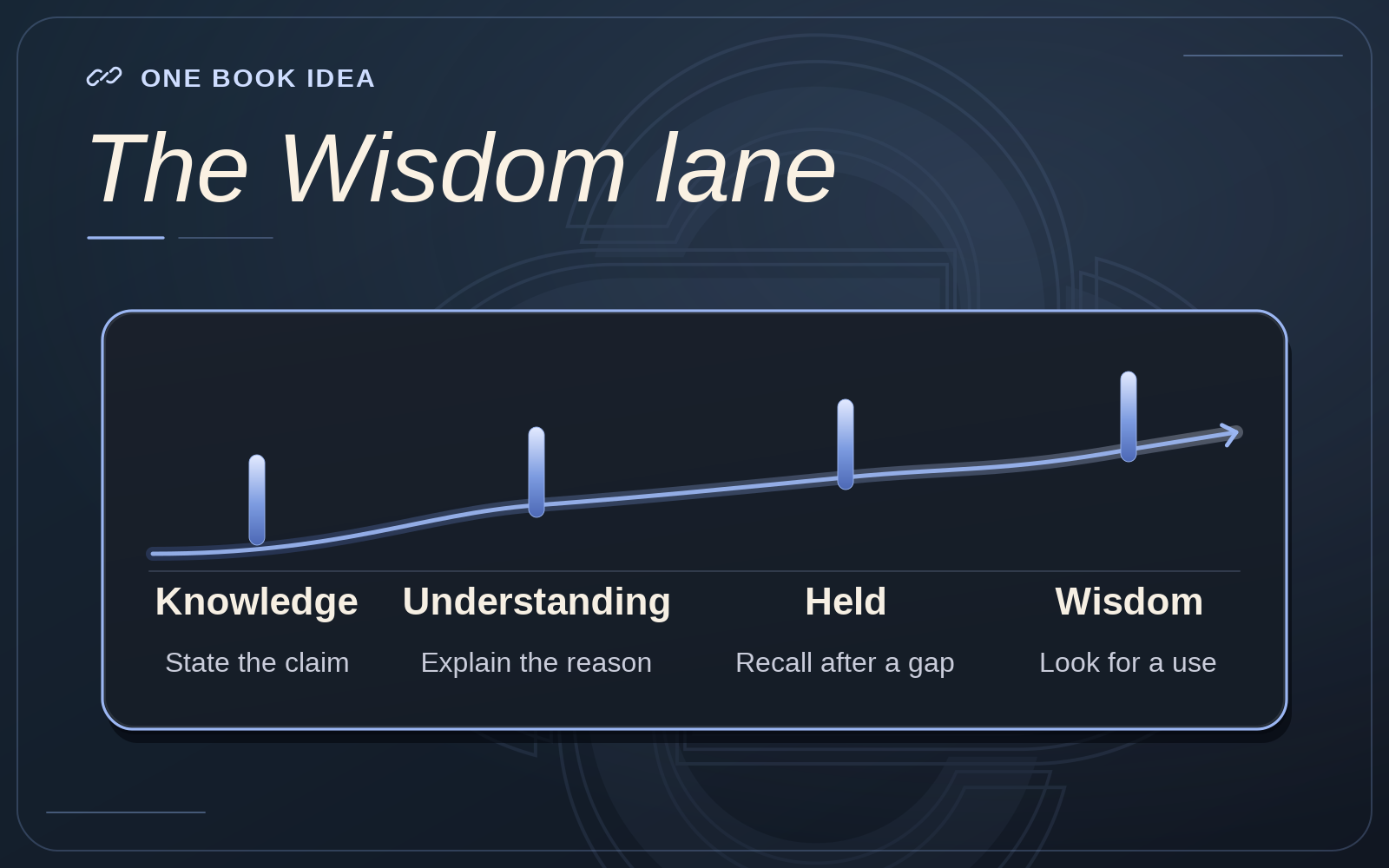
Can you use the book idea you can already explain?
Follow one idea through the four stops in the wisdom lane, from first explaining it to trying it in a decision.
Articles for readers of books
Plain guides to reading, remembering and keeping what you read, with the studies behind them.
Follow one idea through the four stops in the wisdom lane, from first explaining it to trying it in a decision.
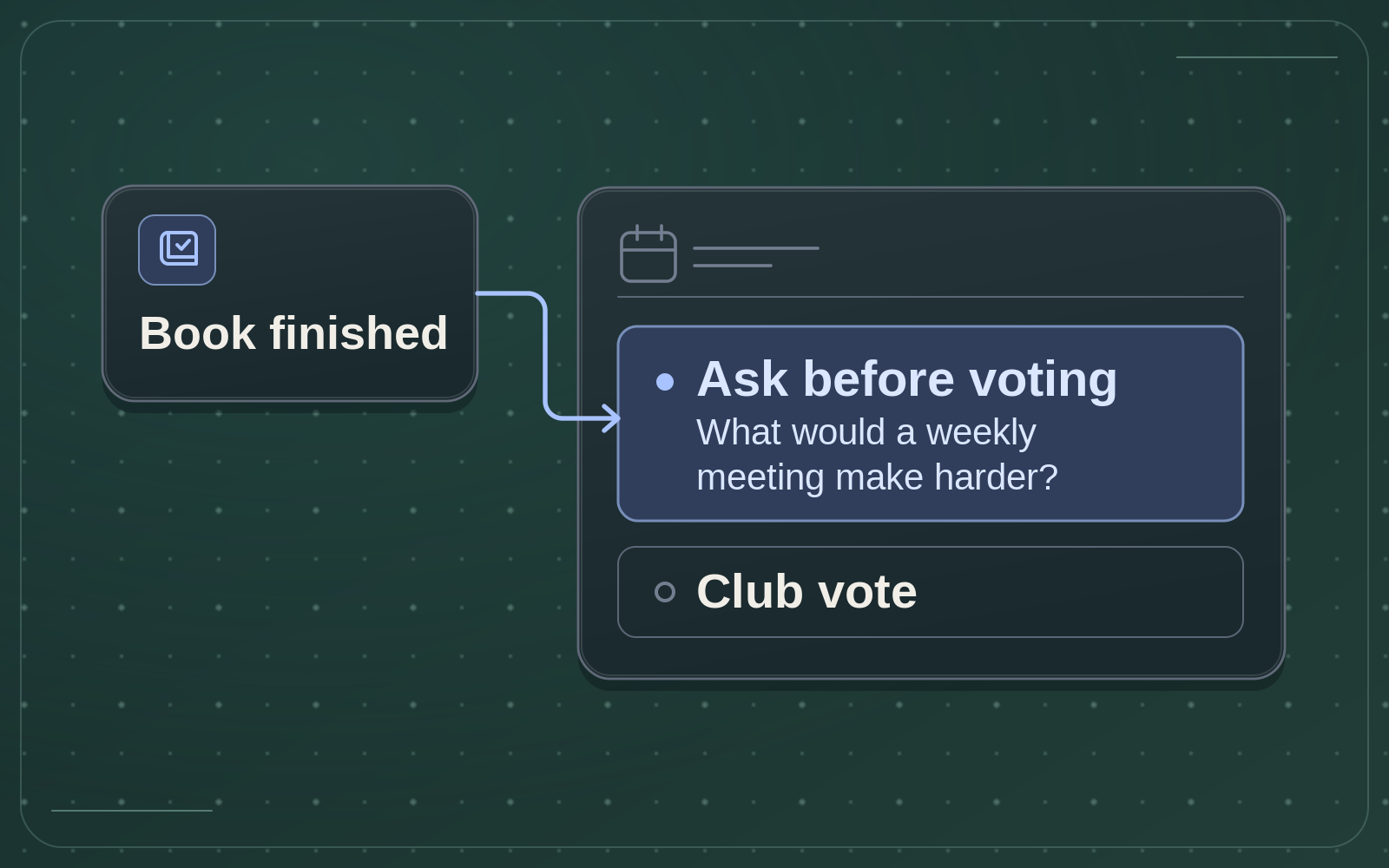
How can I use an idea from a book once I finish reading?
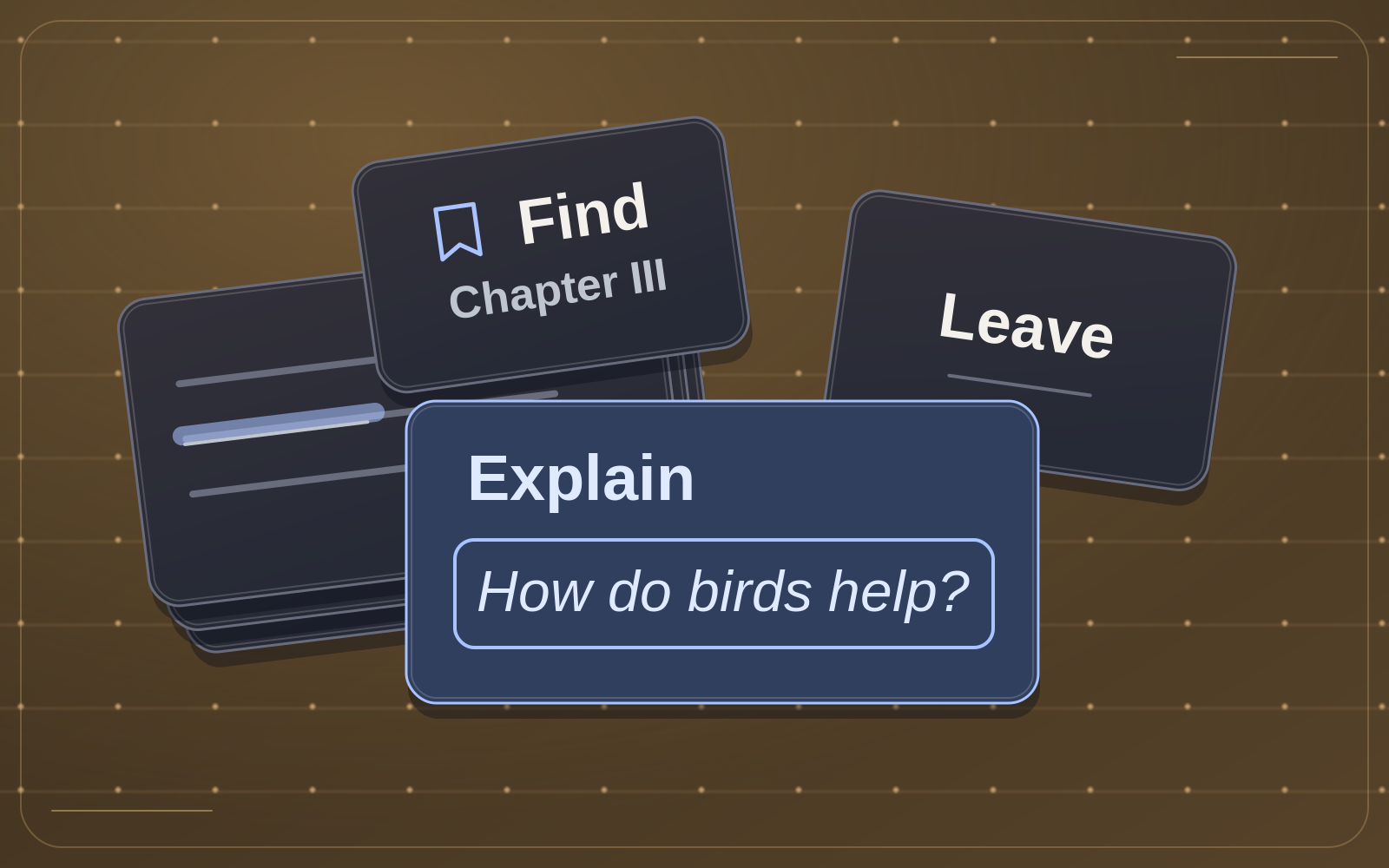
What should I do with old Kindle highlights?
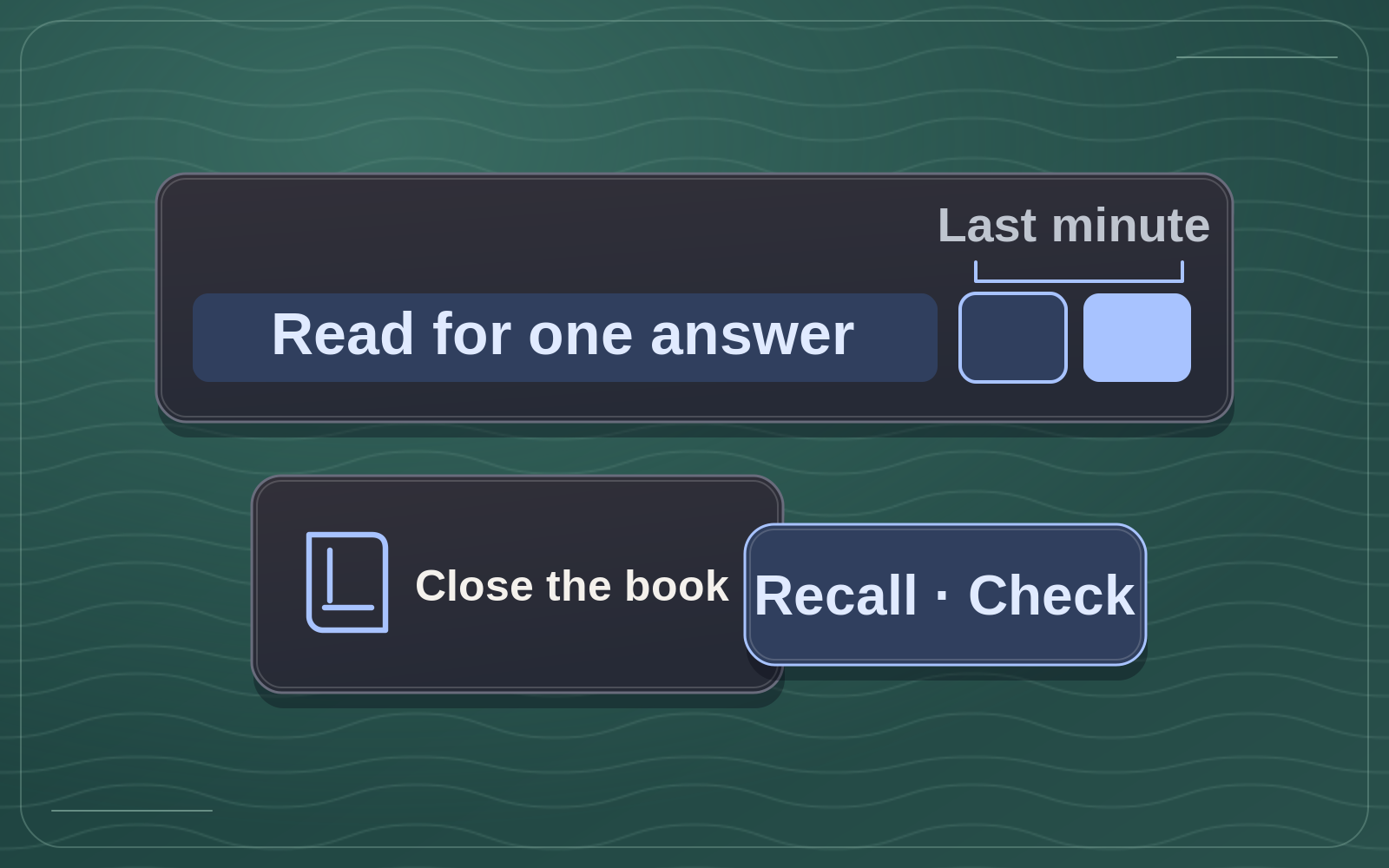
What can I do to remember what I read in ten minutes?
Follow one idea through the four stops in the wisdom lane, from first explaining it to trying it in a decision.
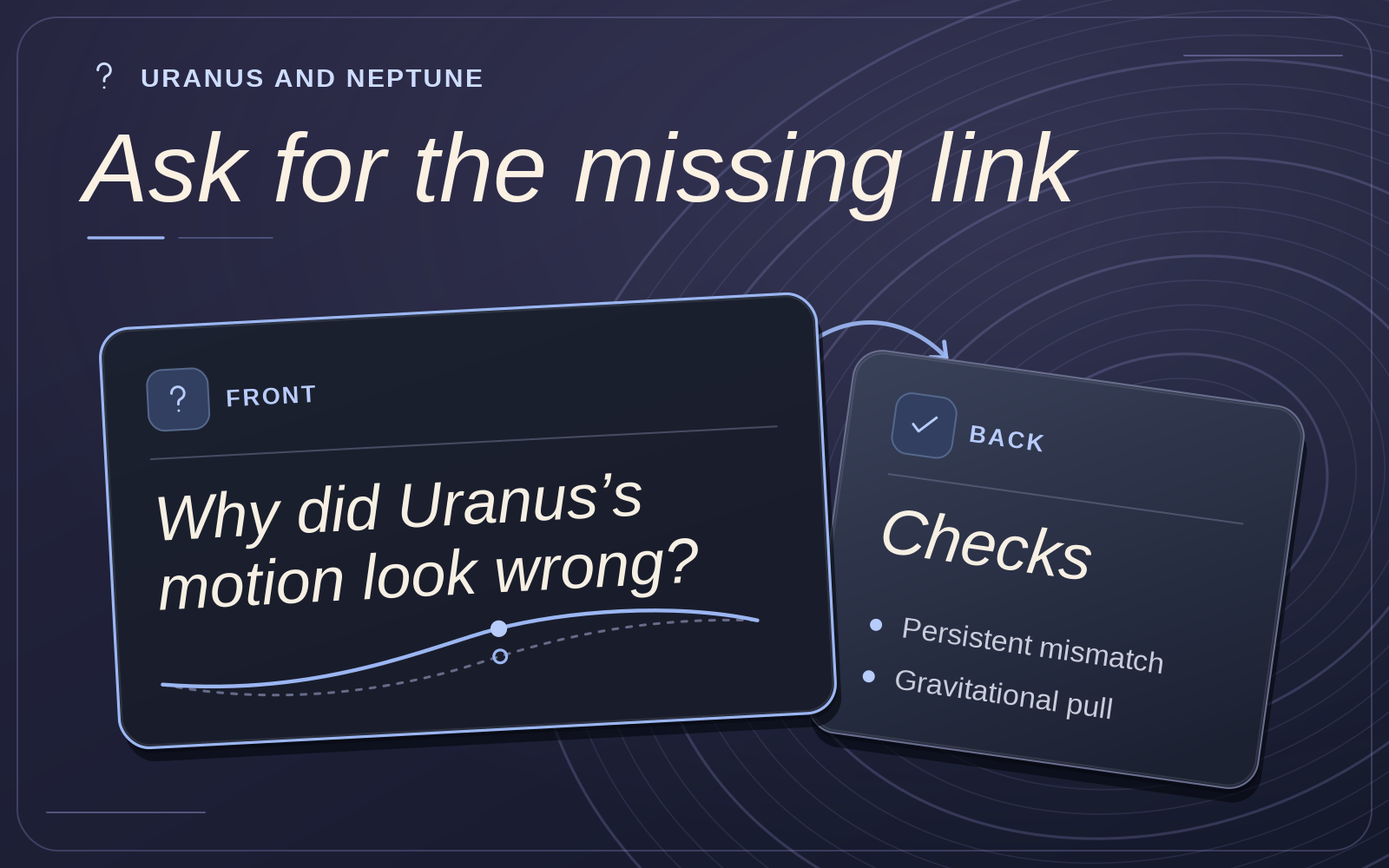
Write one review prompt that asks for a link in a book’s reasoning, with a few checks to compare your answer against.
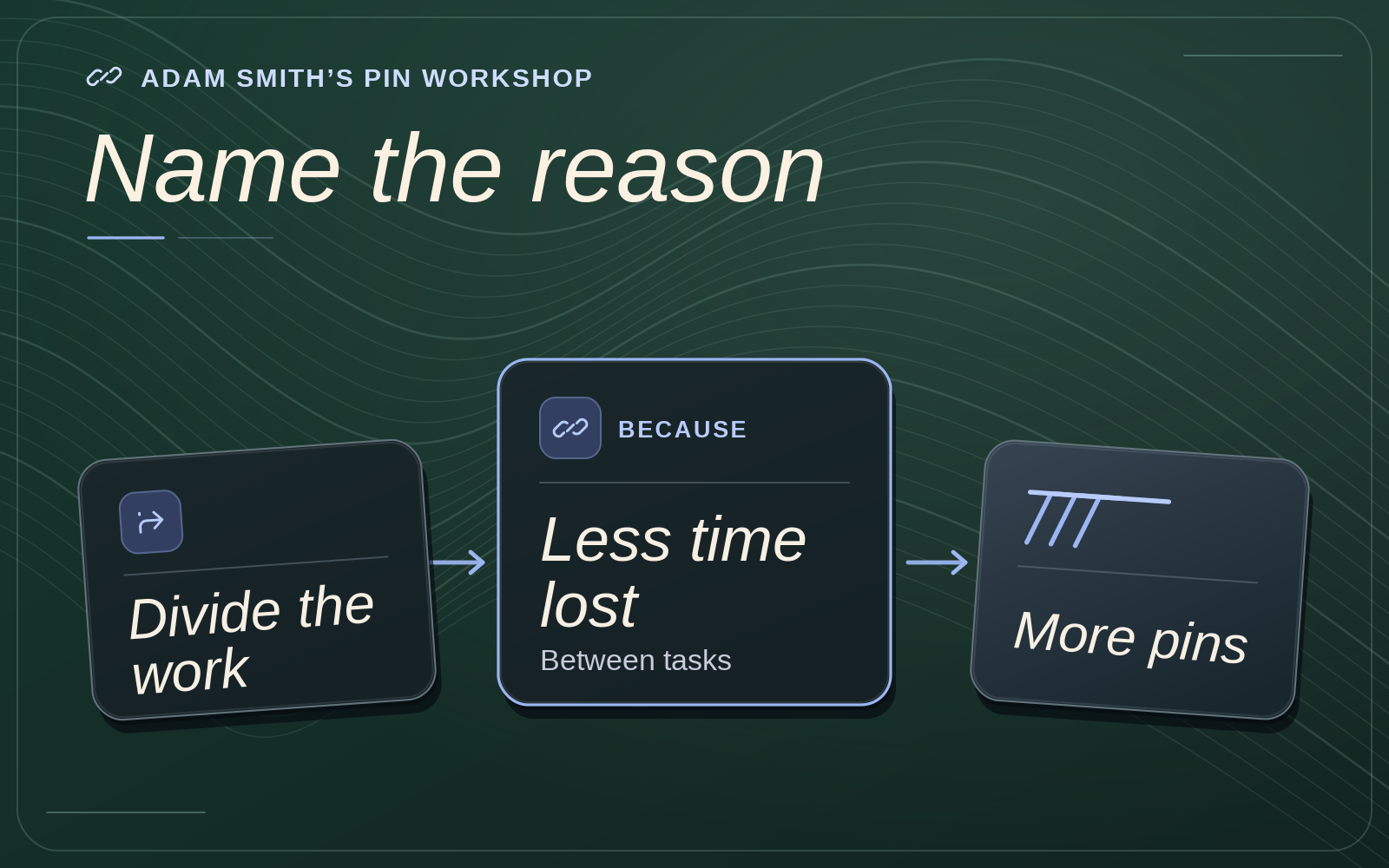
Turn a summary of a passage into an explanation by naming the reason that links two details, then check it against the text.
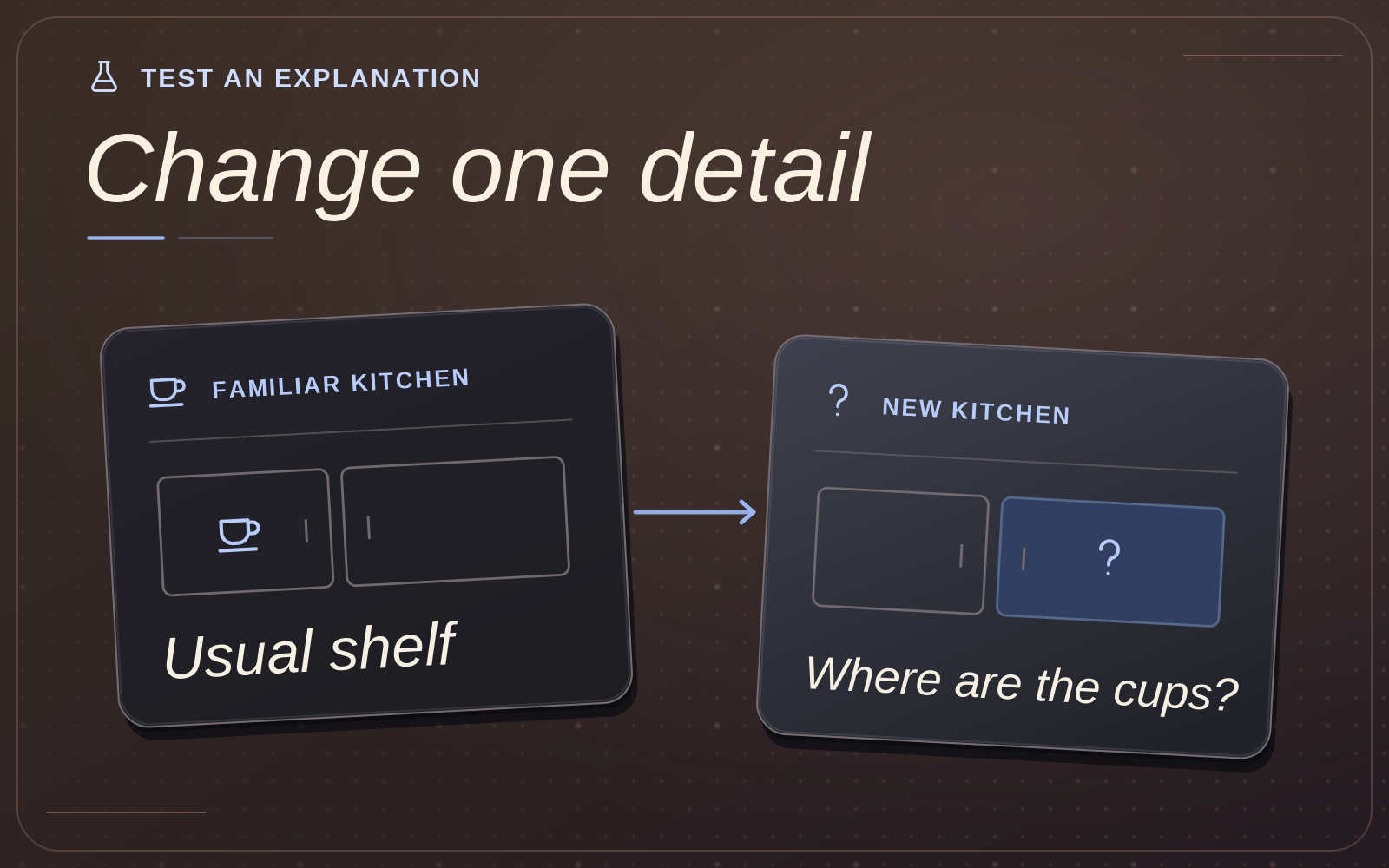
Change one detail in an example to see which part of the book’s reasoning you still need to check.
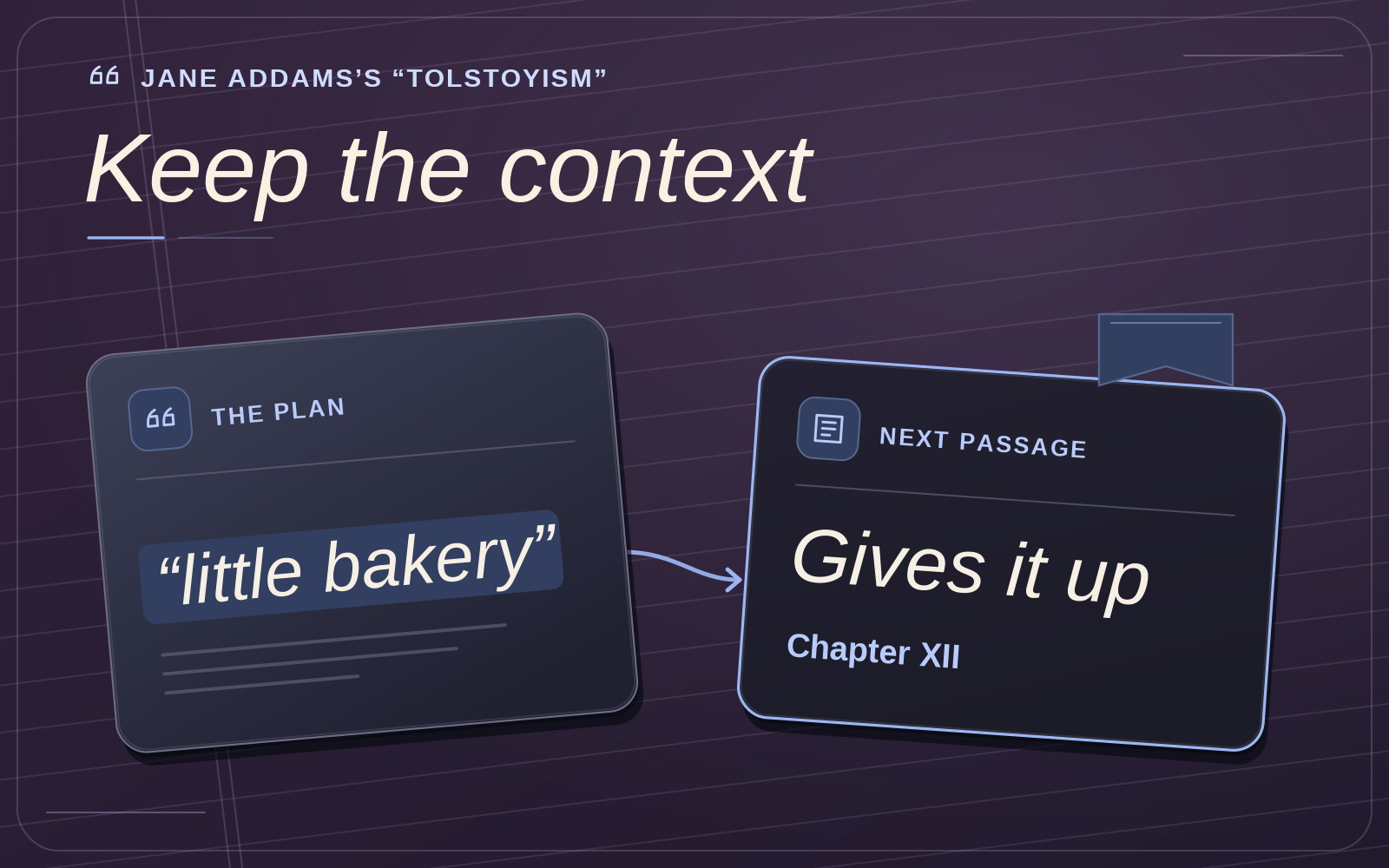
Save a book quote with its location, the context around it and your own reason for keeping it, so it still reads right later.
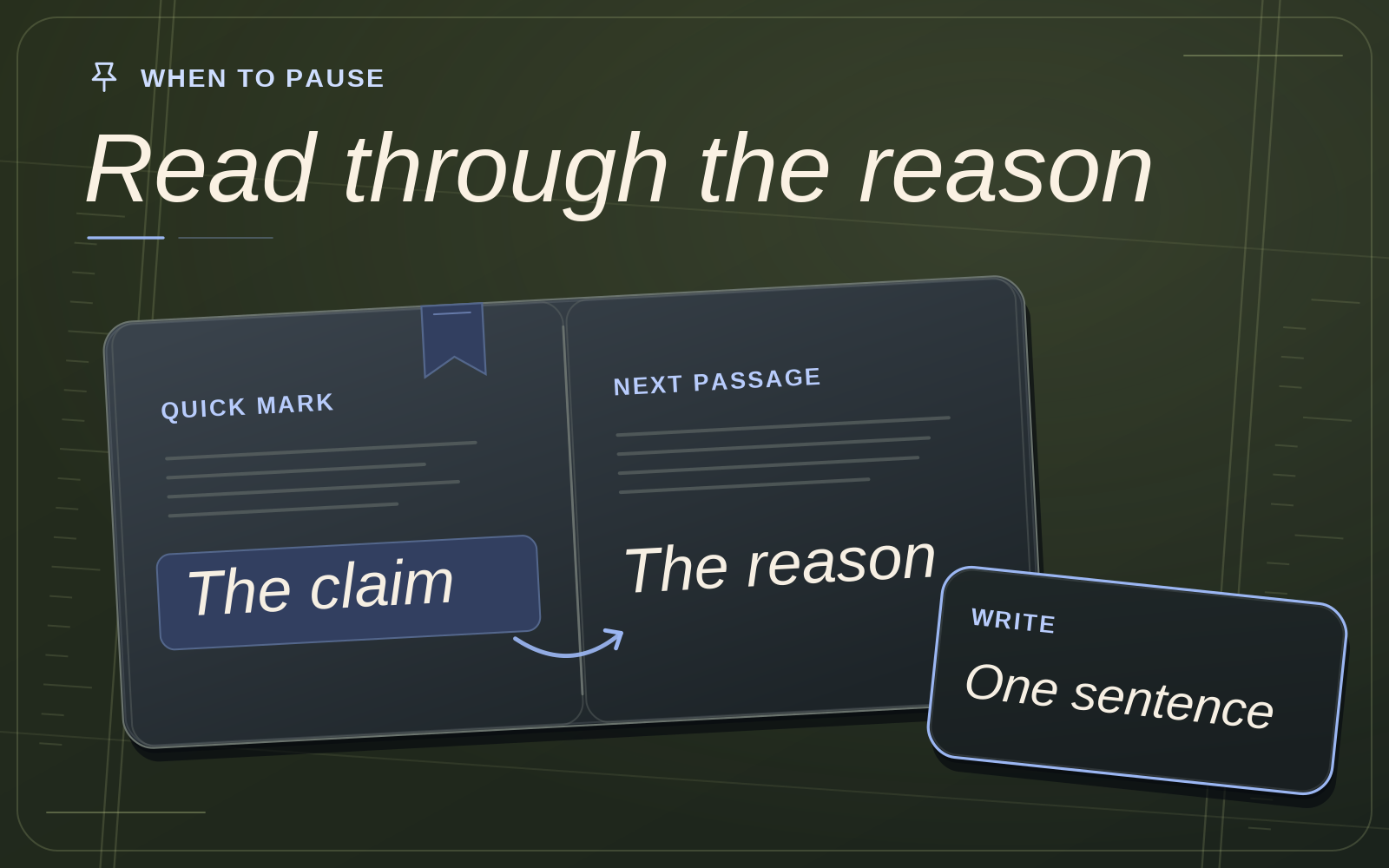
Decide when to stop and write while you read, using a quick mark until the next passage shows what a line is doing.
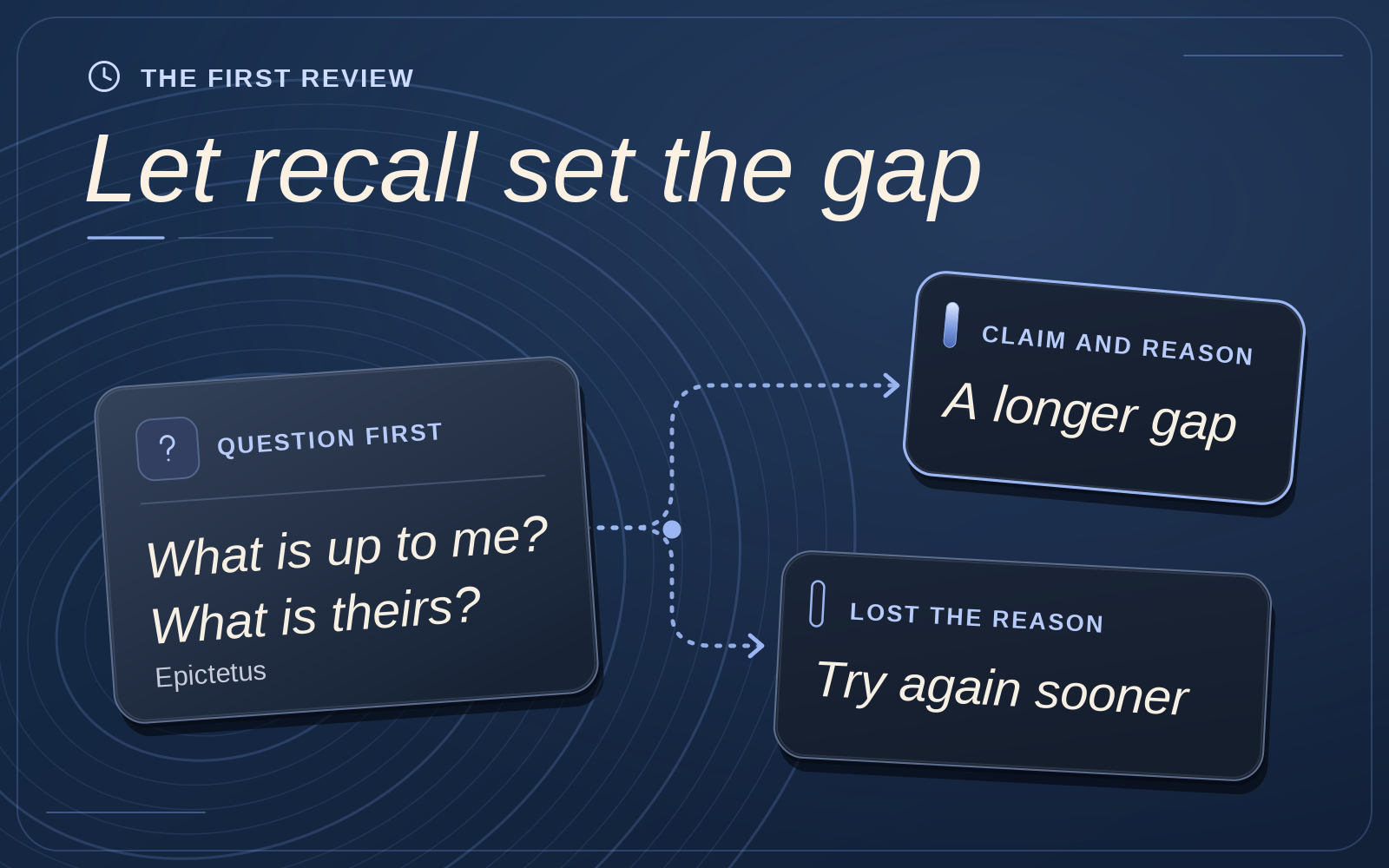
Try a question after a gap and use the answer to choose when to try again.
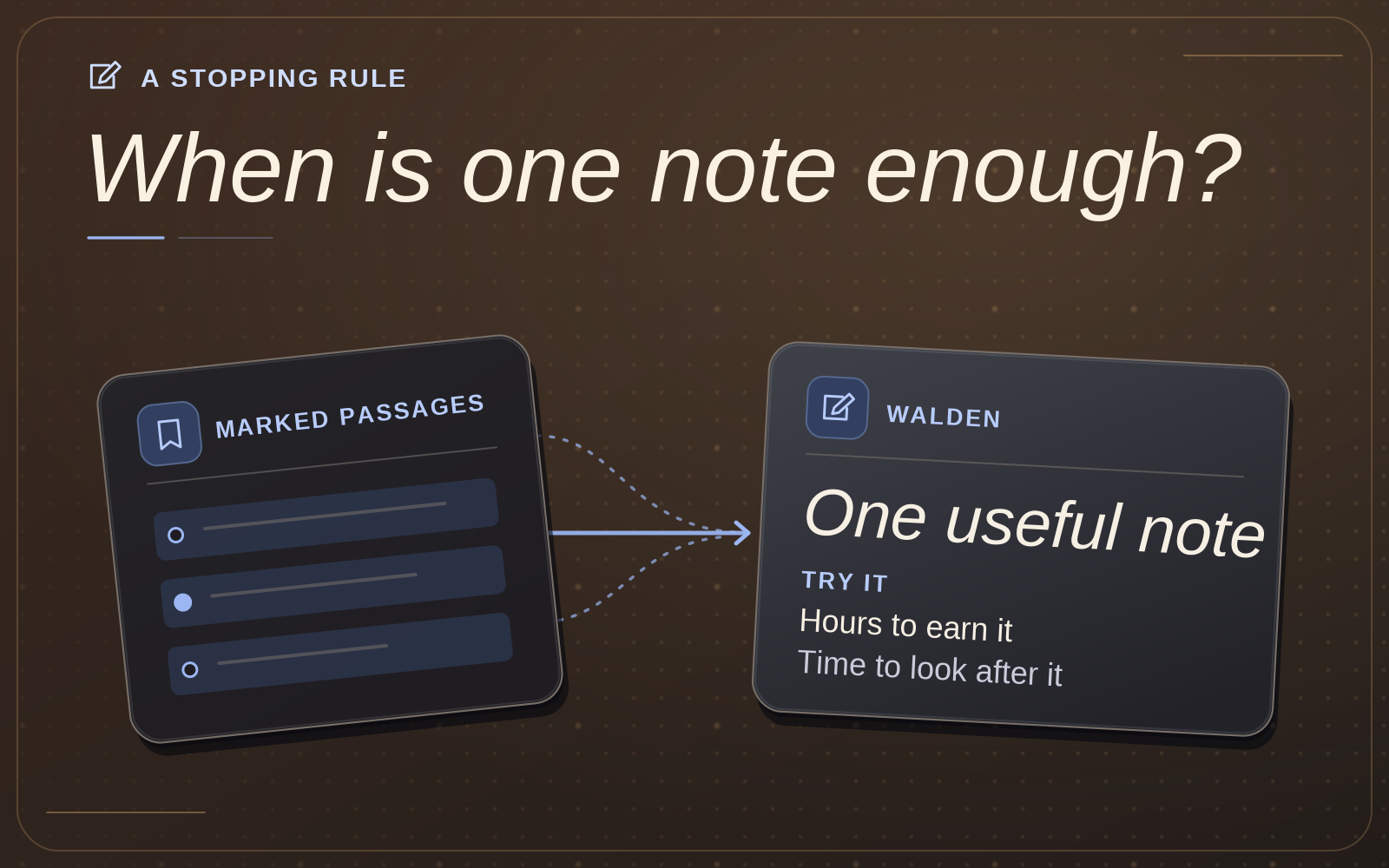
Start with one useful note and use a stopping rule to decide what else is worth keeping.
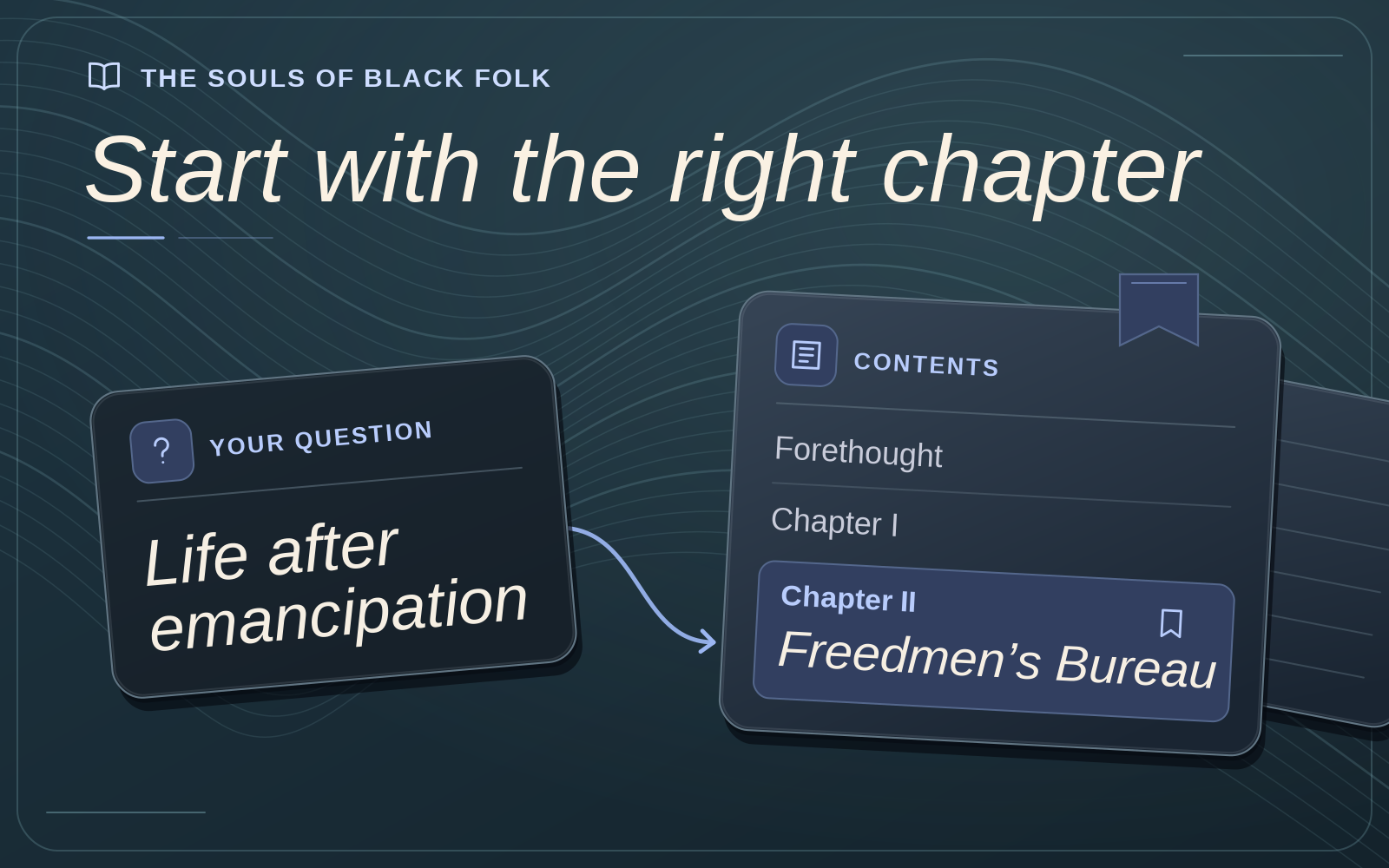
Use one question and the contents page to choose a chapter, sample it and decide where a nonfiction book deserves a closer read.
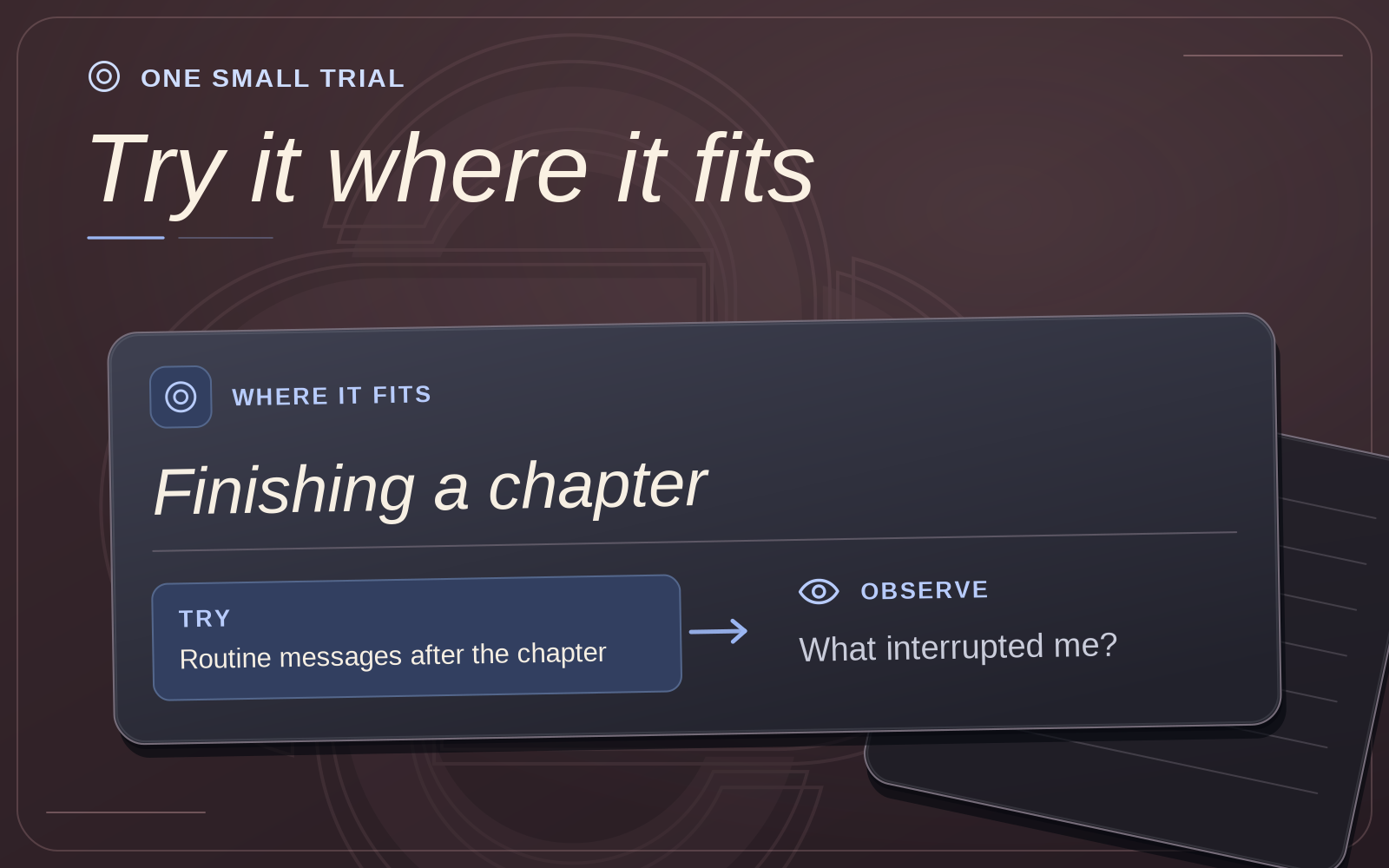
Test whether a nonfiction book idea fits your own situation by finding the reason behind it, trying one small action and noting what happened.
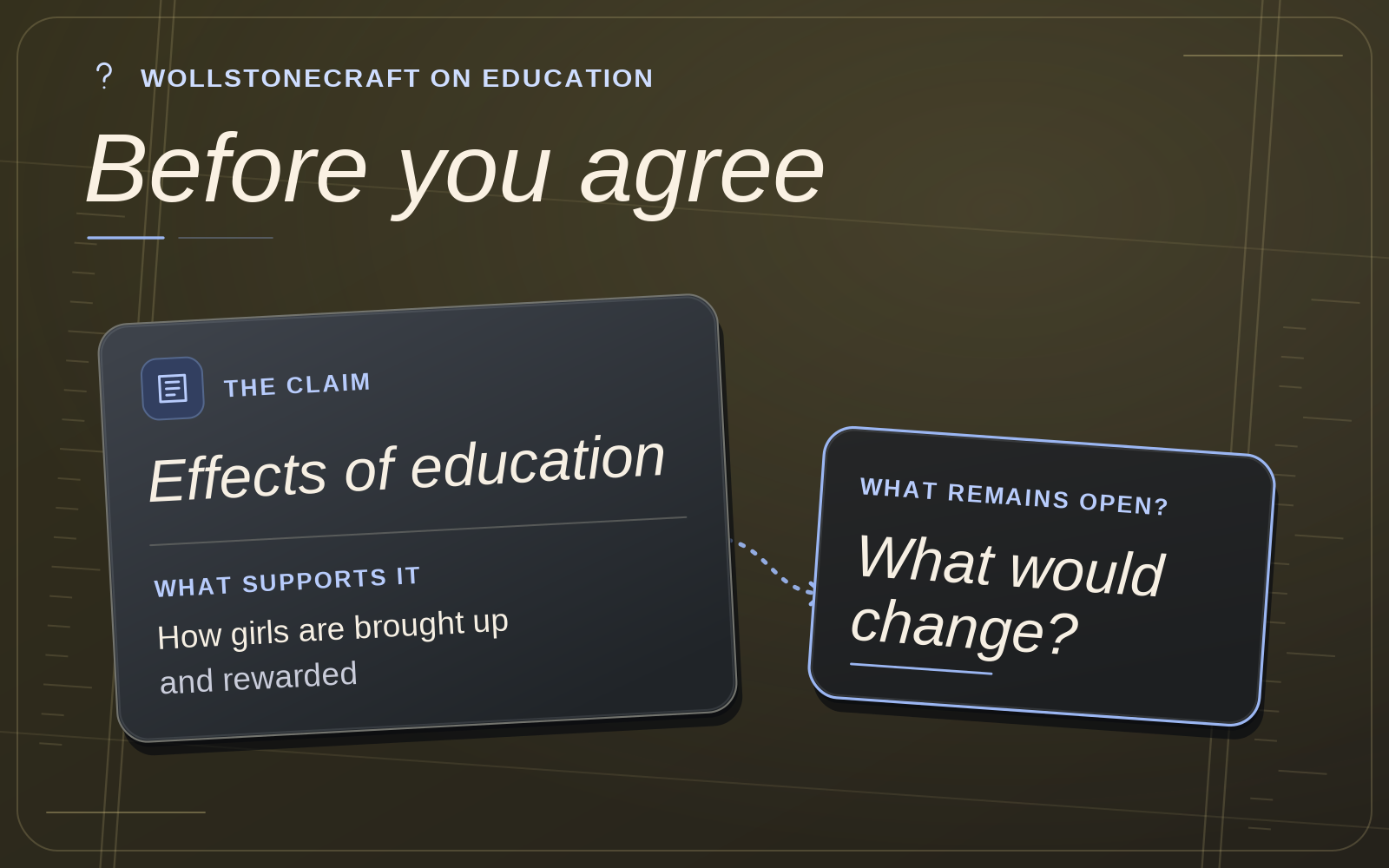
Write the claim, the author’s strongest reason and what could make that reason fall short before you decide whether you agree with a book.
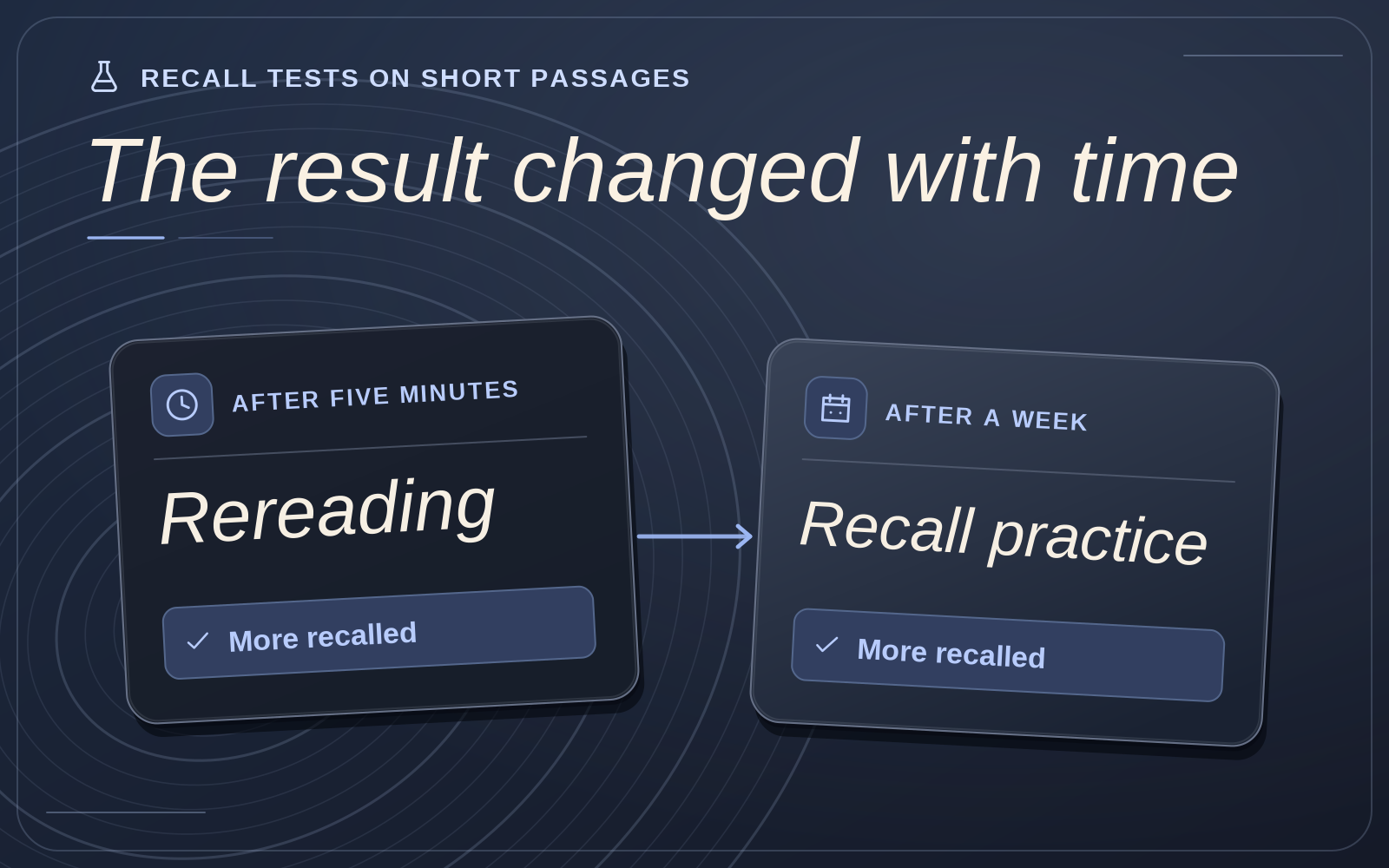
Compare how readers mark, explain and revisit passages, and see what the experiments measured.
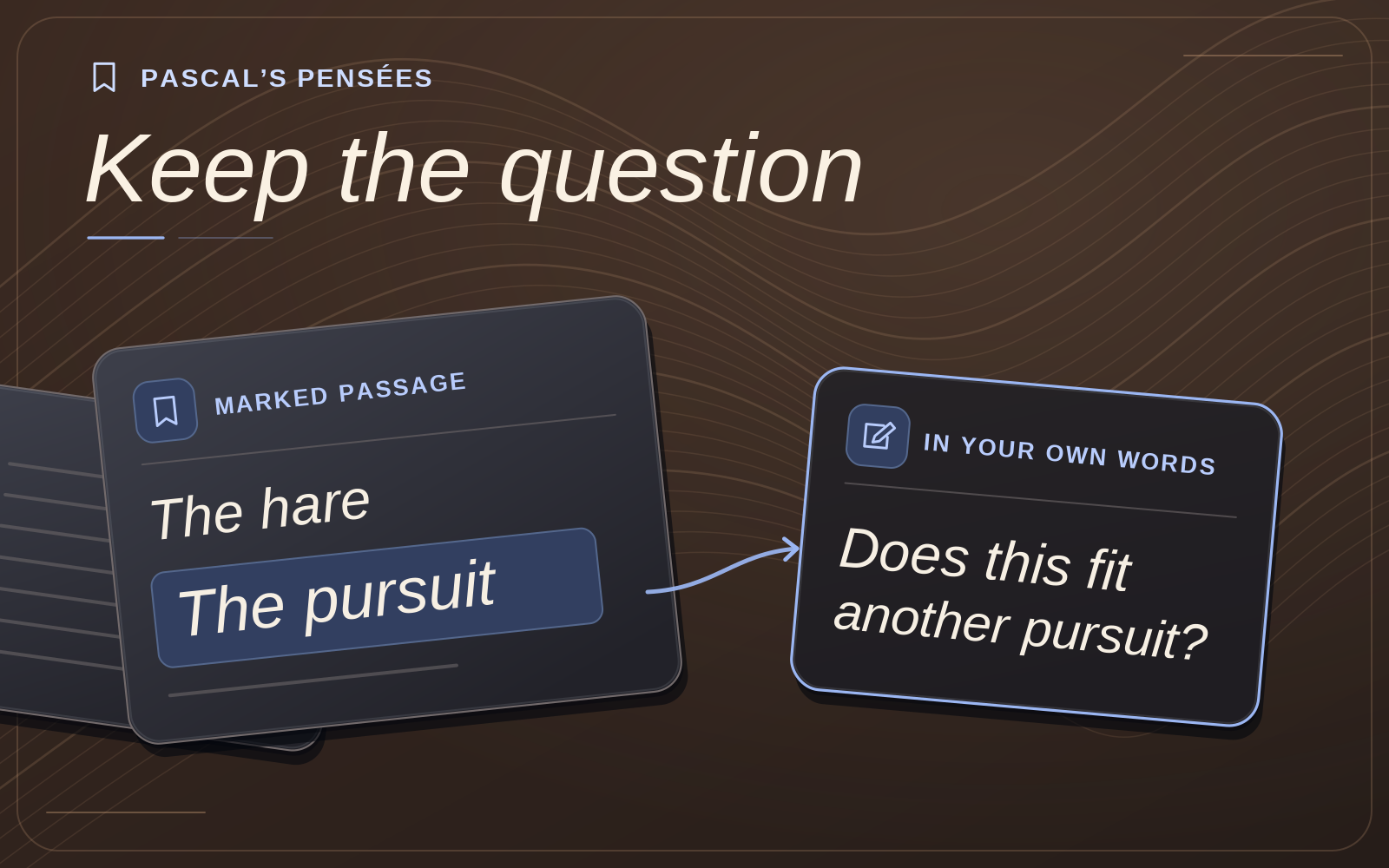
Turn a marked passage into a note that keeps the reason you stopped or the question you want to pursue.
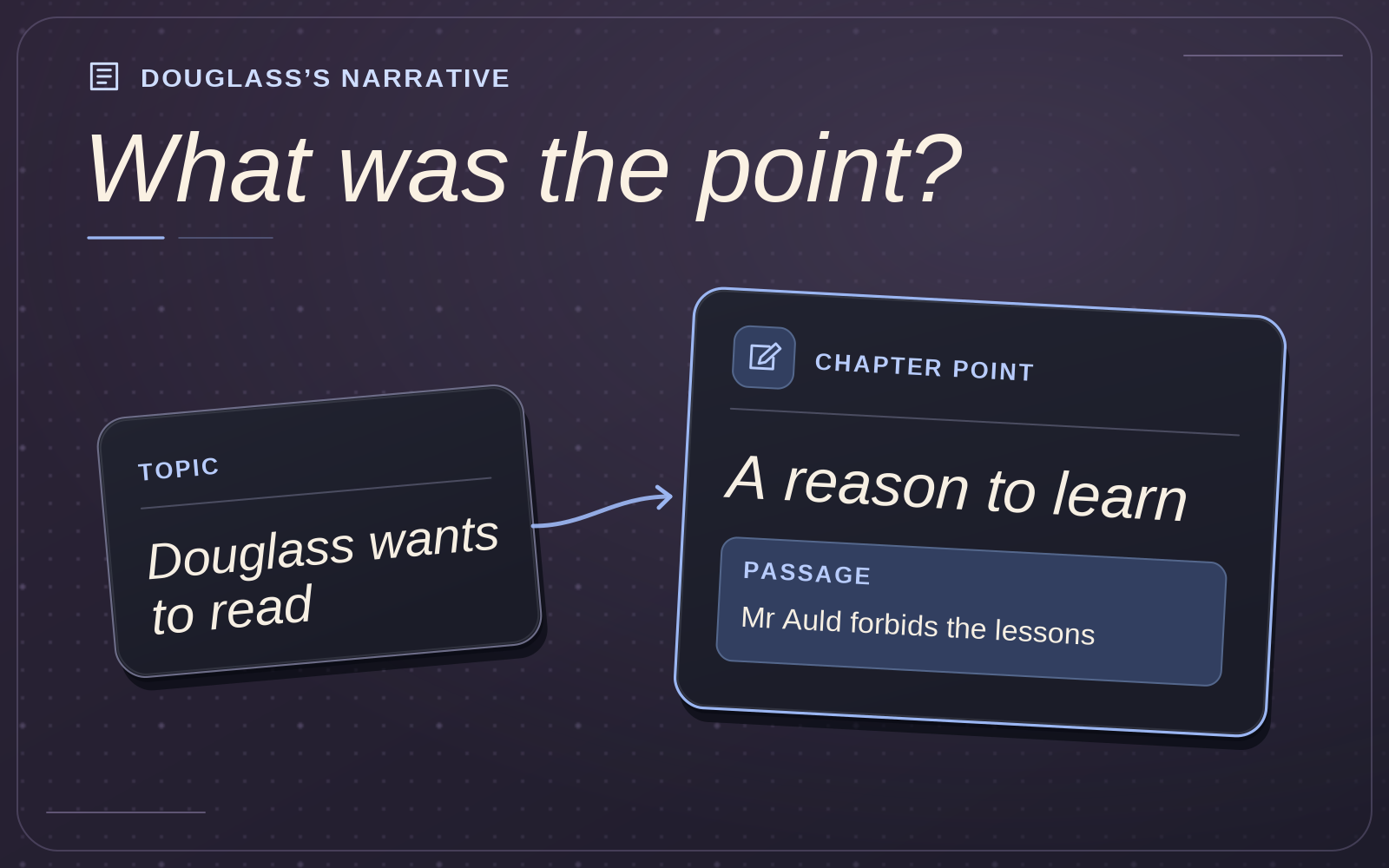
Write the chapter’s point in your own words, keep a passage to check it and add one question of your own.
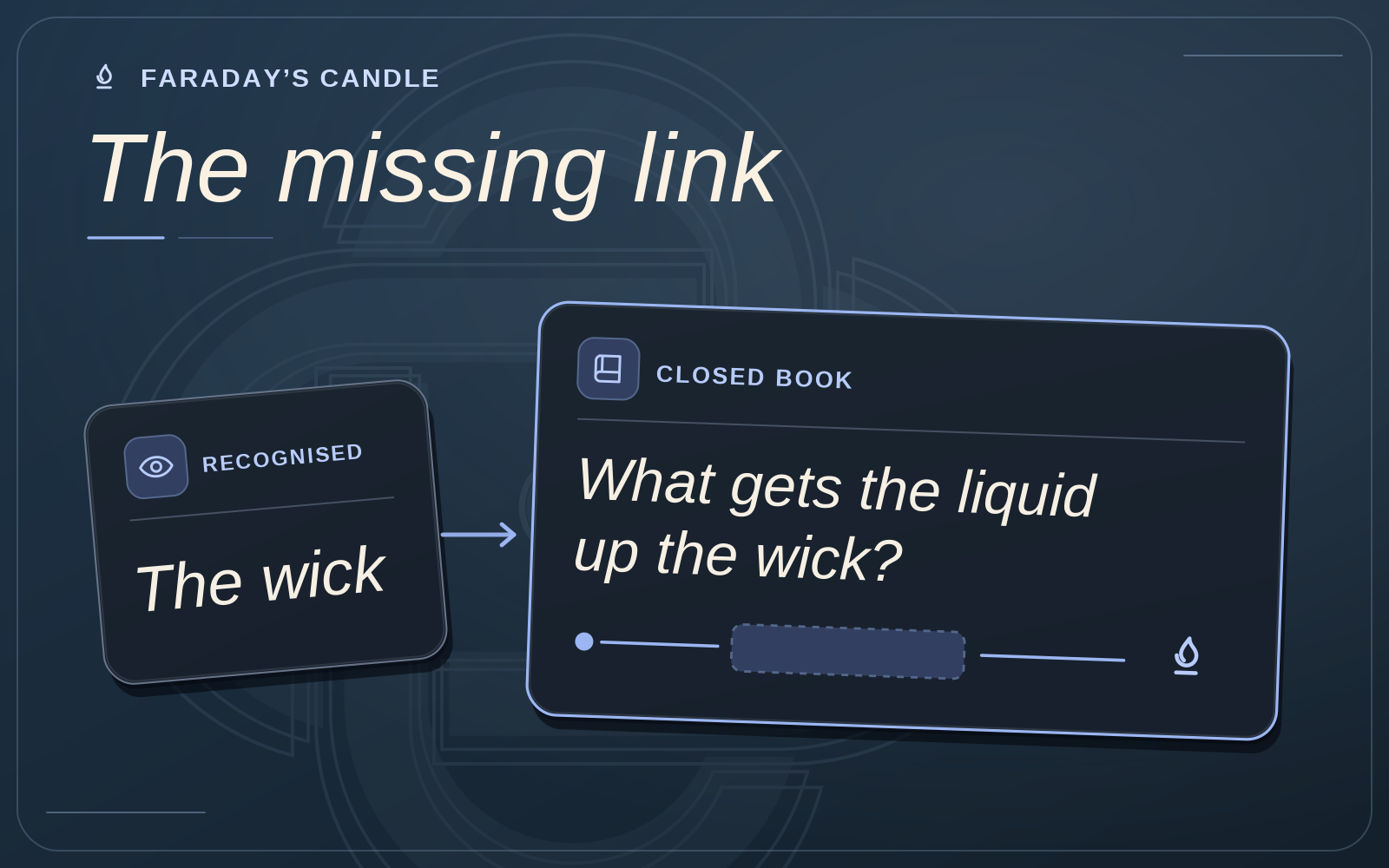
Close the book on a familiar page and see whether you can explain how one thing leads to another without the words in view.
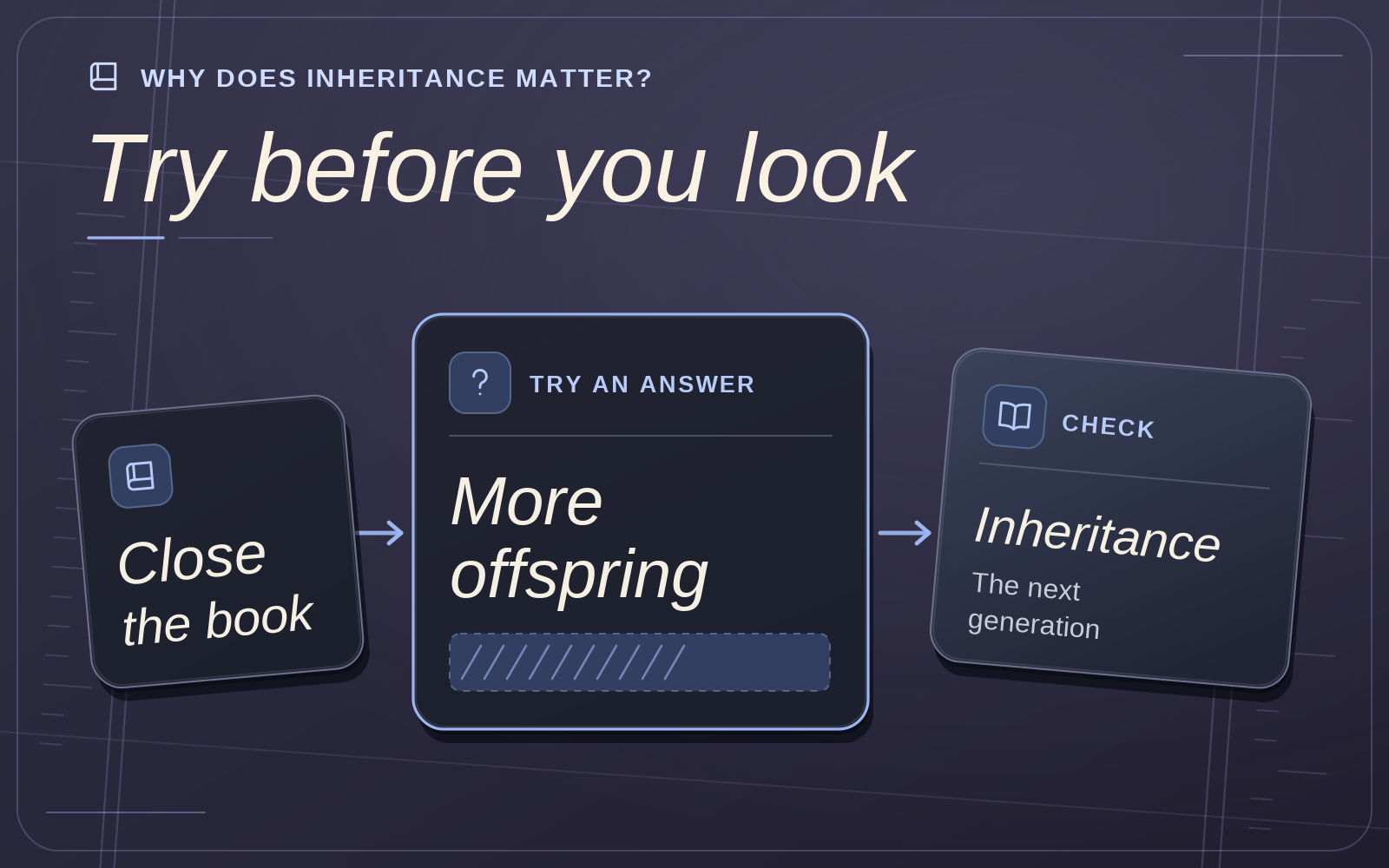
Recall one idea from a book with the page closed, then check the answer against the passage.
Nothing here yet.
Try fewer words, or another shelf. New articles are added as they are written and checked.