How to try a book idea when your situation is different
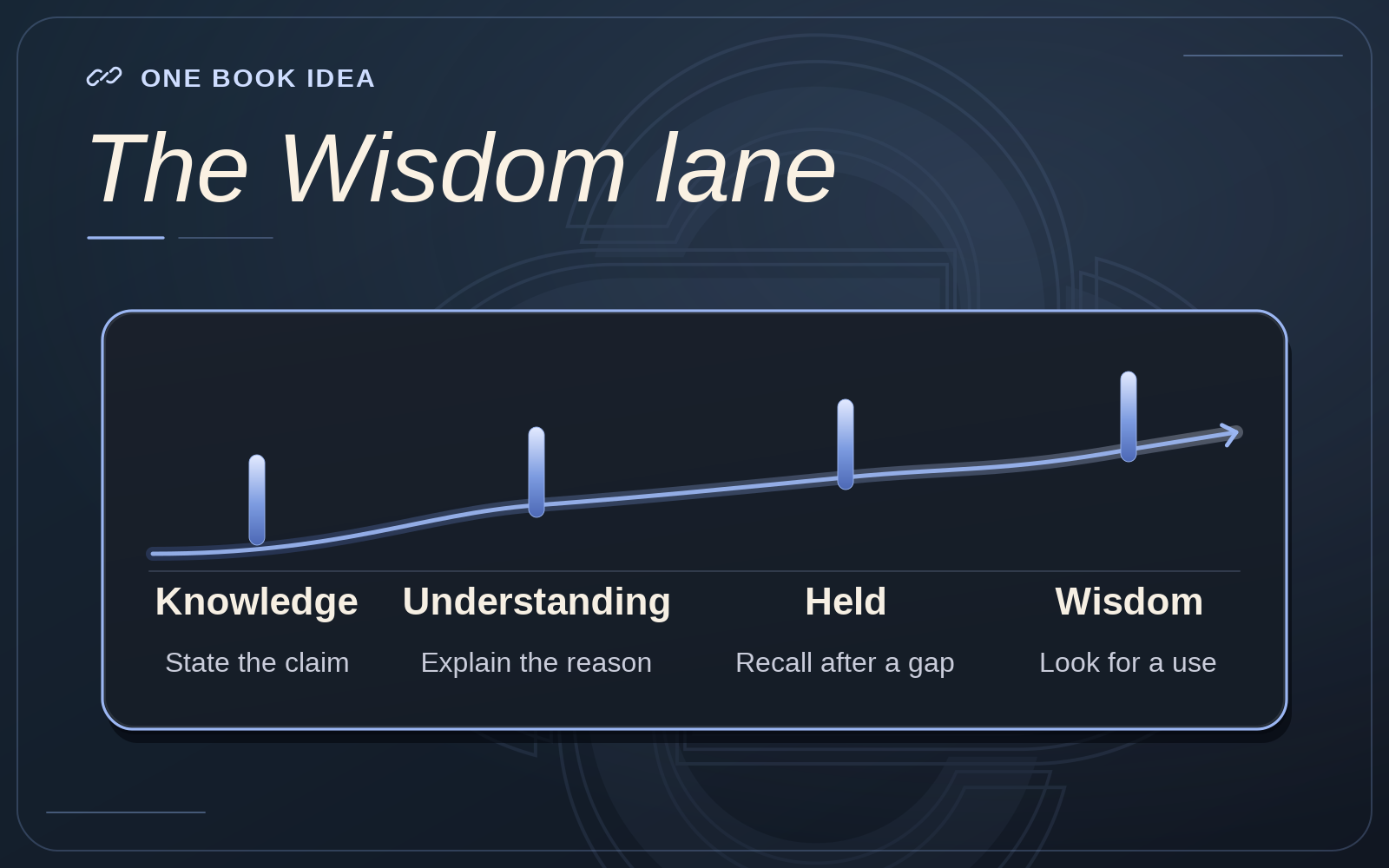
Test whether a nonfiction book idea fits your own situation by finding the reason behind it, trying one small action and noting what happened.
In short
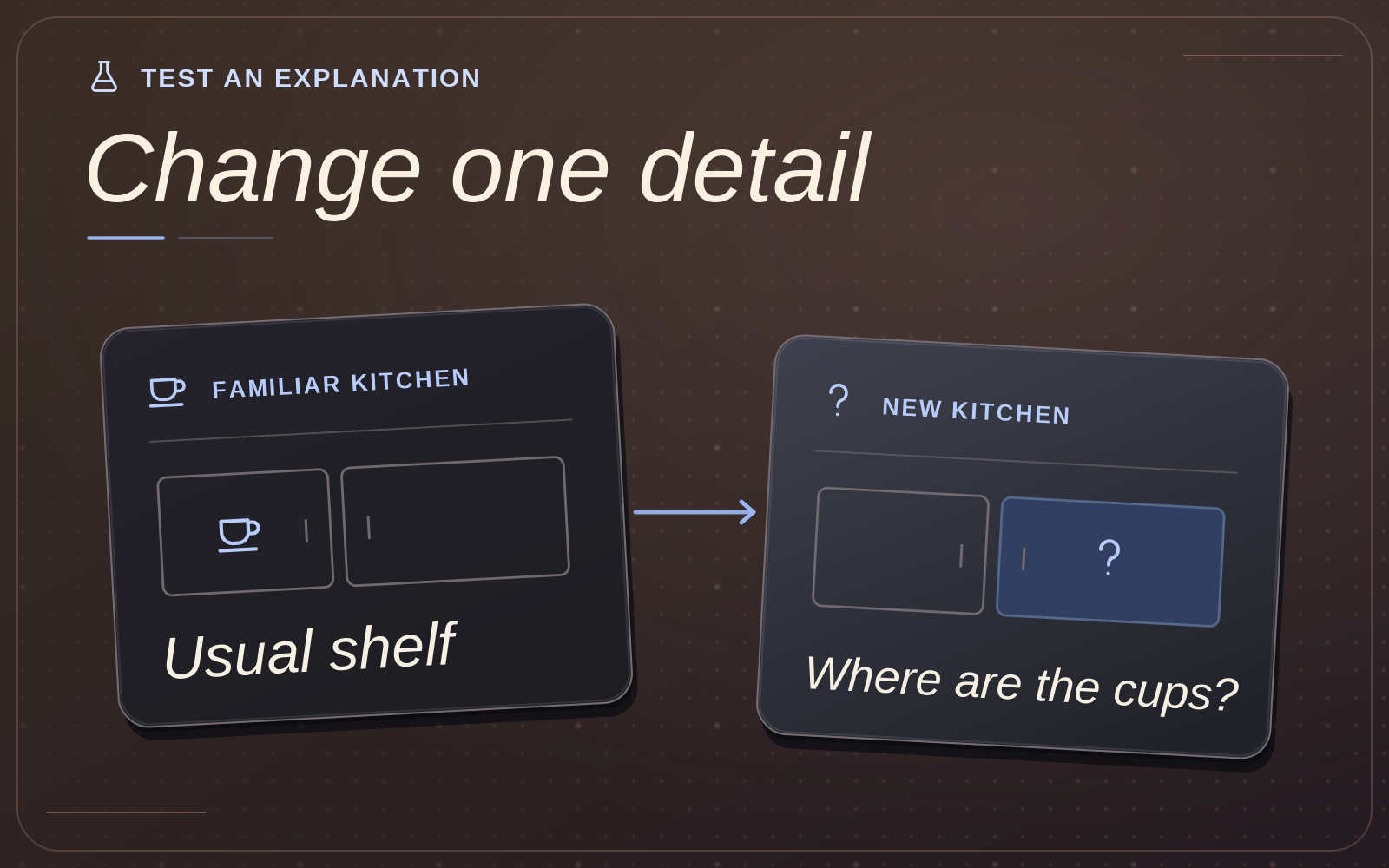
Try a book idea where the same reason applies, even if the details look different.
- Copying the author’s example can make you miss a condition that matters in your own situation.
- Choose a small action you can observe and a case where you would make a different choice.
On this page
What makes a book idea fit a new situation?
A book idea fits when the reason behind it bears on something you can do. You finish a page that makes you want to be more deliberate with your time. The next evening you sit down to read but agree to answer a few routine messages first. What part of the passage has something to say about that choice?
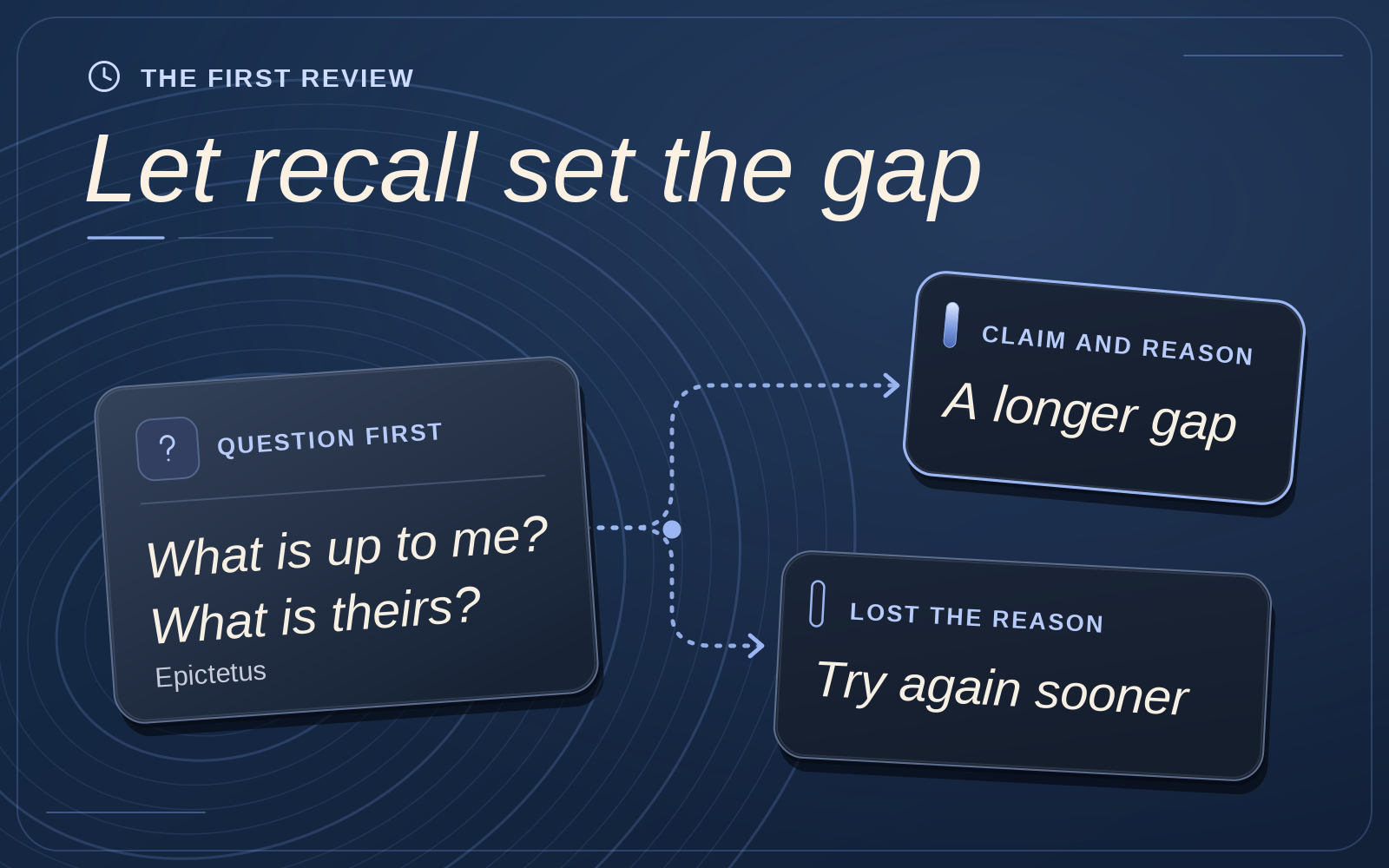
In the first of his Letters to Lucilius, Seneca asks Lucilius to watch how he spends his time. He distinguishes time forced from us, time quietly filched and time allowed to slip by. He also admits that he wastes some and says what he can account for about the loss. Consider this part of his argument in your own words: before you decide what to protect, look at where the time is going and why. Seneca, Moral Letters to Lucilius, letter 1, translated by Richard M. Gummere (opens in a new tab)
Why can copying the example send you the wrong way?
Copying a surface detail can leave the reason behind. A practice that works for a particular interruption may fail when the interruption is part of a responsibility you have chosen. “Ignore every message during my reading time” applies the same rule to very different requests. A routine question about a book club’s next meeting can wait. A request from someone you agreed to be available for may call for an answer now.
Put the examples side by side. Ask what you can choose about your time in each case. That is the part of the comparison that can tell you whether Seneca’s idea has something to offer.
What is a small way to try it?
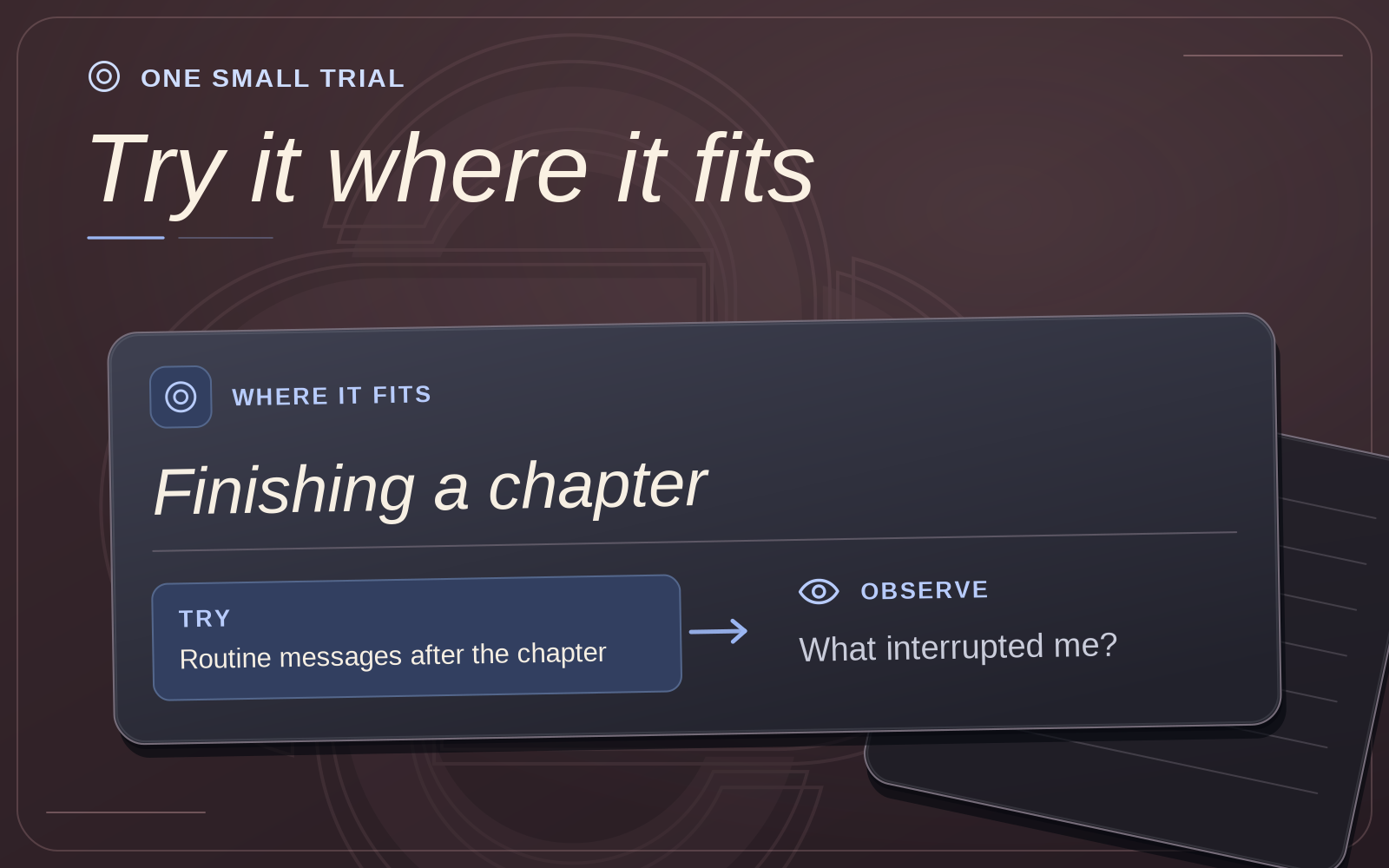
Choose one action you can take and one detail you can check afterwards. In this example, the action is to leave routine club messages for after the chapter while staying available as agreed. The check is what happened to the reading time and whether a request needed a quicker answer.
| What to decide | One way it might look |
|---|---|
| Where does it fit? | I want to finish a chapter. The messages I expect from the club can wait until I put the book down. |
| What will I do? | Before I sit down, I will choose when to look at routine messages again. I will still answer requests I have agreed to handle promptly. |
| When would I try something else? | If someone needs my attention at a known time, I will read earlier or choose a shorter section. |
| What will I observe? | Did I get to the end of the section? What interrupted me, and which interruption had a good reason? |
Afterwards, write down what happened in one line. An evening might go differently from the plan. If the obstacle was the time of day, change the reading slot. If the messages were more pressing than you thought, keep the distinction and change the action.
Can comparing examples help you use an idea somewhere else?
Comparing examples can draw attention to the reason they share.
The study gave people structured examples and a new problem to solve. It leaves open whether you would think of an idea from a book at the right moment on your own. Two cases from your life give you something to compare now. Write what they have in common and what changes between them.
What should you keep after trying an idea?
Keep the book’s claim, your choice and what happened close enough to read together. If you will try the idea again, add the condition that mattered. One honest check can be as simple as “The club messages could wait. My other commitment needed a different reading time.”
Choose one idea you could try once this week. Give it a place to work and a case where you would change your mind.
Questions readers ask
Does applying an idea mean turning it into a habit?
No. It can mean making a single different decision or noticing why a rule which worked in the book would need adapting.
What if the idea does not work?
Record the situation and the missing condition. Try a smaller change if the reason still holds, or set the idea aside if it no longer fits.
Should I keep the exact quote?
Keep the passage or page if the wording matters. Write your reason and what happened in your own words so you can see what the book gave you and what you worked out.
Sources
Studies and reviews say what was measured. Books and guides are where an example or a method comes from. Videos describe one reader's practice: useful, but not evidence.
Study
D. Gentner, J. Loewenstein and L. Thompson (2003). Learning and transfer: A general role for analogical encoding. Journal of Educational Psychology.
Experiment 2 had undergraduates compare two negotiation cases or study them separately, then solve a written negotiation case. Full text read 21 November 2026.
Read the study (opens in a new tab)Book
Seneca. Moral Letters to Lucilius, letter 1, “On saving time”, translated by Richard M. Gummere. Wikisource.
The letter used for the example. Whole letter read 21 November 2026.
See the book (opens in a new tab)
Read this with your AI
Opens a new chat with the address of this article and a question ready to send.