How to preview a nonfiction book when you only need one answer
Use one question and the contents page to choose a chapter, sample it and decide where a nonfiction book deserves a closer read.
In short
Before you commit to page one, find one chapter that might help.
- Read far enough to see how the author approaches the question.
- Decide what deserves a closer read from that sample.
On this page
What should you look at before page one?
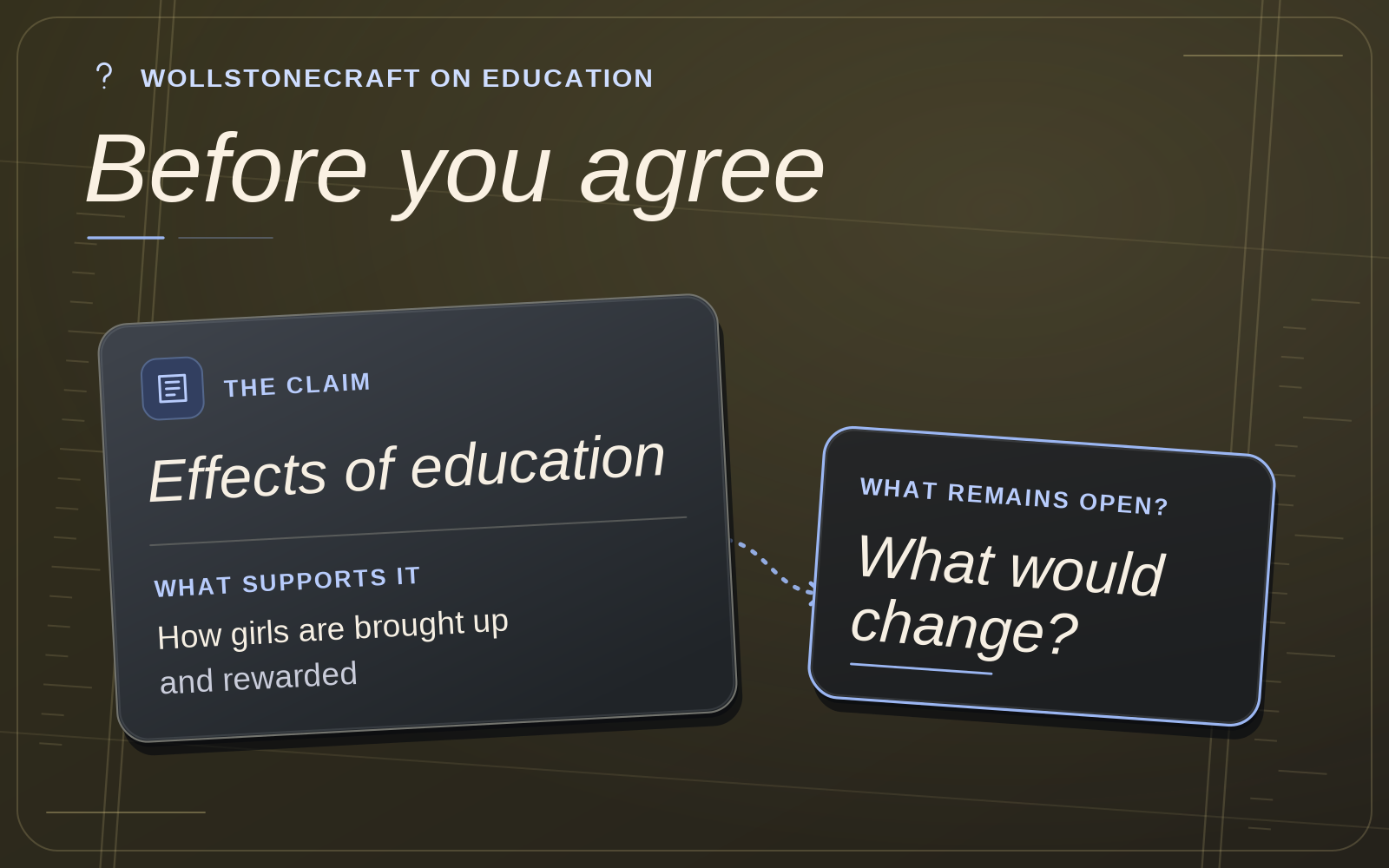
Give the contents page one job. Find a chapter you would turn to even if you had time to read only one. Chapter 4 of How to Read a Book treats the contents page as a first look at the book’s shape. Adler and Van Doren also make a case for reading through a difficult passage before deciding where to return. See pp. 33, 36 and 44. Publisher’s edition (opens in a new tab).
English with Emma demonstrates a survey followed by questions in a textbook routine. When you’re choosing what to read for yourself, a survey can help you decide whether to start with one chapter, borrow the book for later or leave it on the shelf. Emma, 02:07 on surveying (opens in a new tab) · 04:03 on setting questions (opens in a new tab).
How would you preview Du Bois with a question in mind?
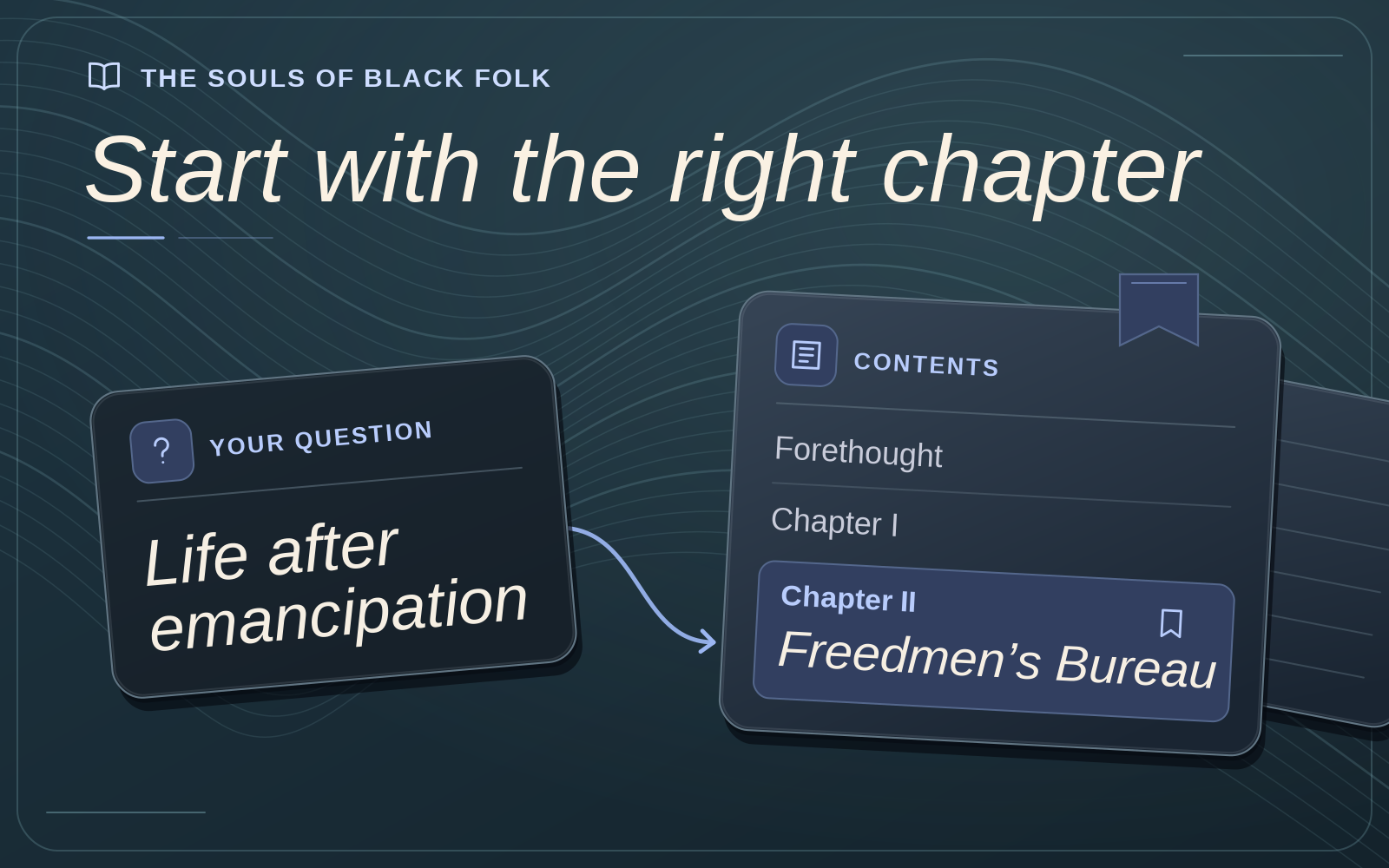
Suppose your question is how Du Bois connects life after emancipation to the institutions meant to support it. In The Souls of Black Folk, the Forethought describes what the early chapters do. The chapter on the Freedmen’s Bureau gives you a place to start. The chapter opens with the colour line and the Civil War, then turns to people fleeing slavery and the response that led to the Bureau. W. E. B. Du Bois, The Souls of Black Folk (1903), Forethought and ch. II (opens in a new tab).
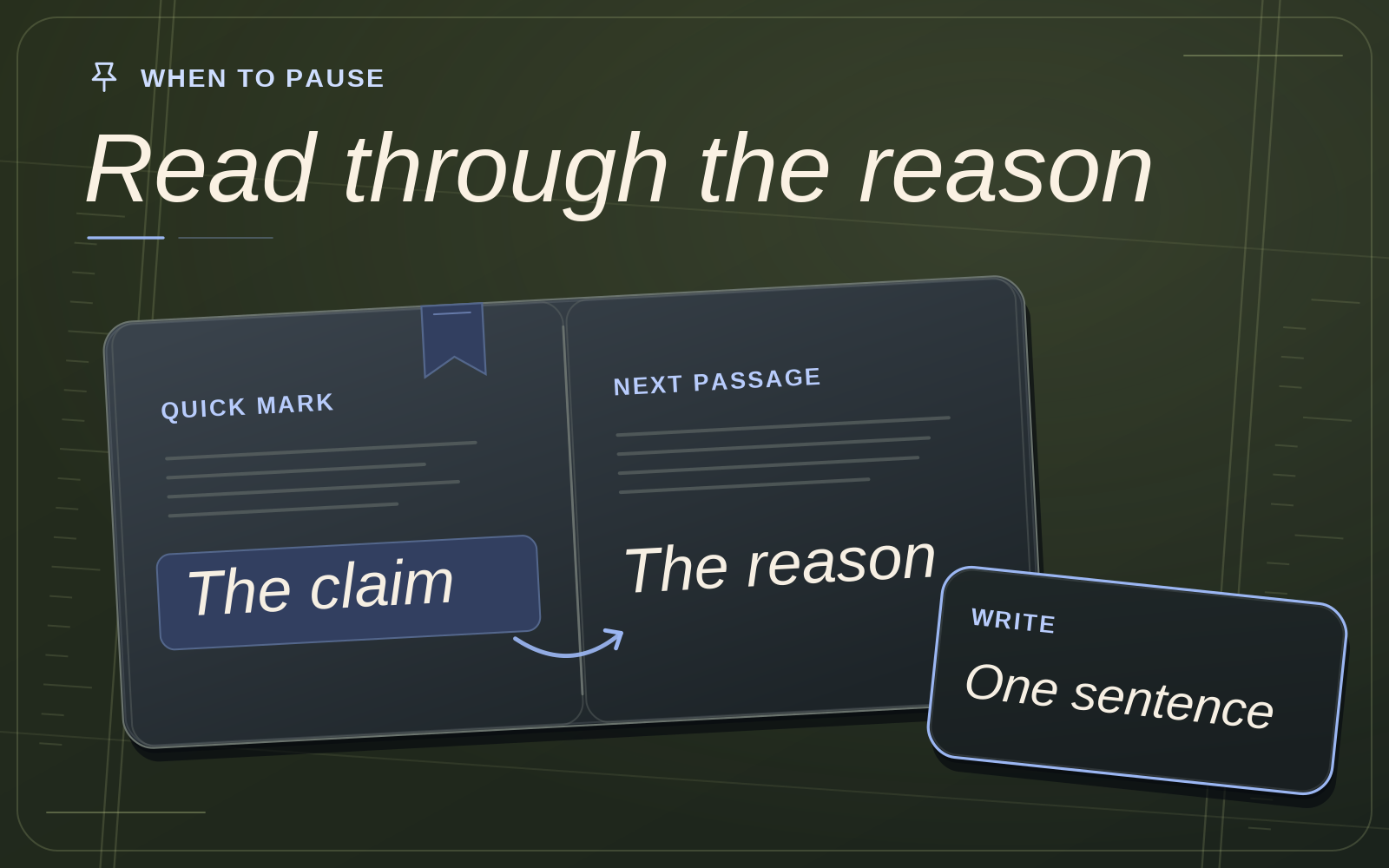
Try two checks. Read far enough into chapter II to see how Du Bois evaluates the Bureau’s work. Then sample the opening chapter, which approaches Black life after emancipation from a different angle. The two openings tell you where to follow the historical case and where to look for the broader question about what freedom could mean. For the question you arrived with, start with chapter II and keep a pointer back to chapter I.
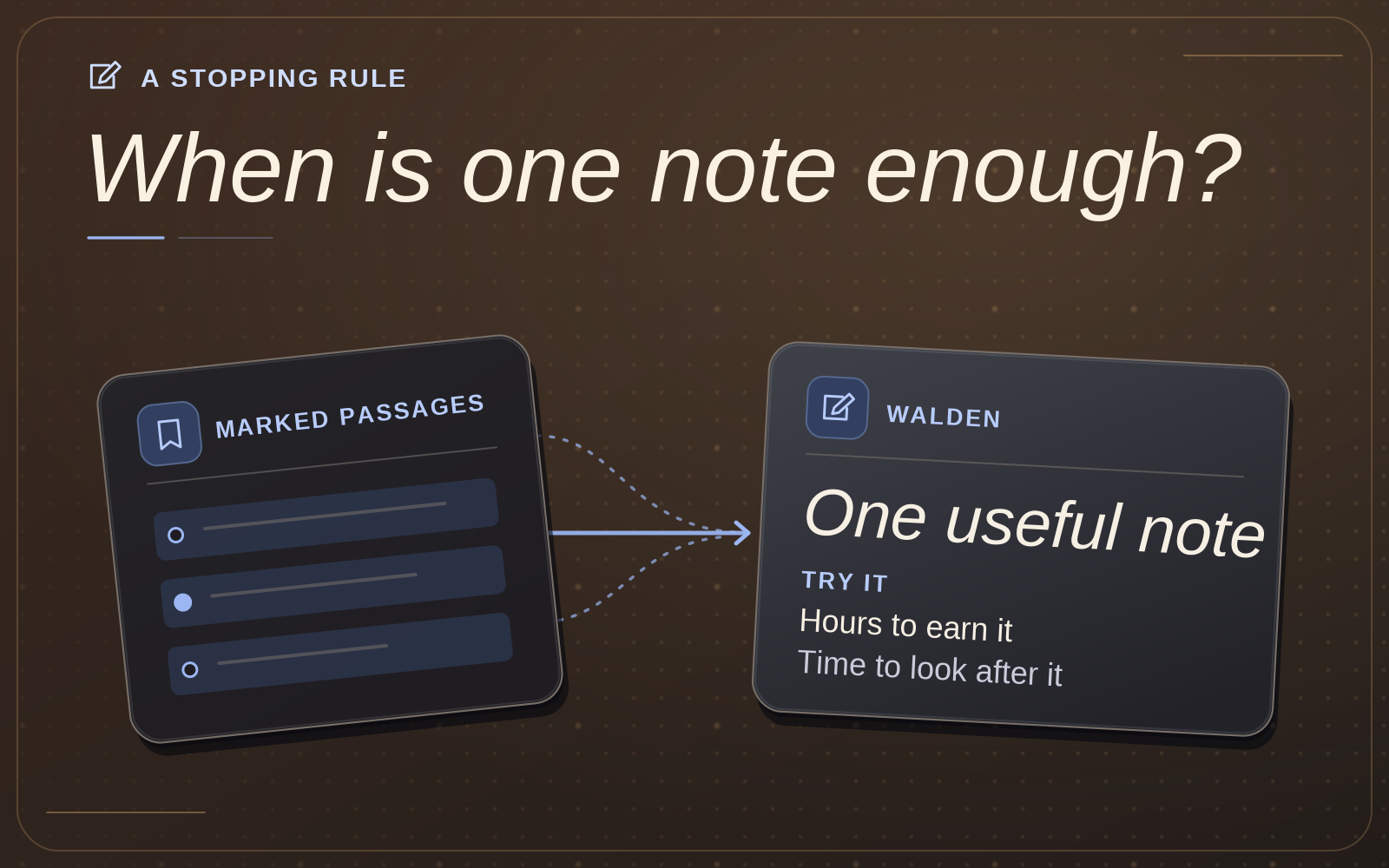
A preview note could say: “Ch. II is the detailed institutional case. Come back to the Forethought and ch. I before treating the Bureau as the book’s main subject.”
How much can a heading tell you?
A heading can show you where a topic begins. Read a little further to find out what the author does with it.
A chapter title like “The Beginning” gives you little to work with. Try a section heading or the first few paragraphs. If an unfamiliar word keeps you from working out what the passage is about, look up that word and see whether you can make your decision.
Before leaving the book, write the chapter you’d open next and one line about why. That line is a better starting point than a promise to read it someday.
Questions readers ask
Do I start on the first page?
Start where your question is most likely to meet the book. Keep a pointer to any introduction that explains how the parts fit.
How long should I spend?
Stop as soon as you can make the choice you came to make. A few minutes can be enough to pick a chapter.
What if the book raises a better question?
Write it down beside your original question. Use the new one to choose what to read next.
Sources
Studies and reviews say what was measured. Books and guides are where an example or a method comes from. Videos describe one reader's practice: useful, but not evidence.
Study
R. P. Sanchez, E. P. Lorch and R. F. Lorch (2001). Effects of headings on text processing strategies. Contemporary Educational Psychology.
Experiment in which college students read and recalled a 12-topic text, with or without headings and with or without outline training. Abstract read 21 November 2026.
Read the study (opens in a new tab)Book
Mortimer J. Adler and Charles Van Doren (1972). How to Read a Book, revised edition, chapter 4. Touchstone.
Chapter 4 passages on printed pp. 33, 36 and 44. Pages checked 21 November 2026.
See the book (opens in a new tab)Book
W. E. B. Du Bois (1903). The Souls of Black Folk, Forethought and chapters I and II. Avalon Project, Yale Law School.
The passages used for the example. Read 21 November 2026.
See the book (opens in a new tab)Video
English with Emma (2026). Understand and Remember What You Read!. YouTube.
Survey a text, then set questions. Captions at 02:07 and 04:03 read 21 November 2026. A practice, not a study.
Watch the part (opens in a new tab)
Read this with your AI
Opens a new chat with the address of this article and a question ready to send.